Magnesium that's easy on the stomach
Magnesium glycinate
Capsules or powder
Many diets fall short on magnesium. The glycinate form is well absorbed and gentler on the gut than oxide or citrate.
Evidence B
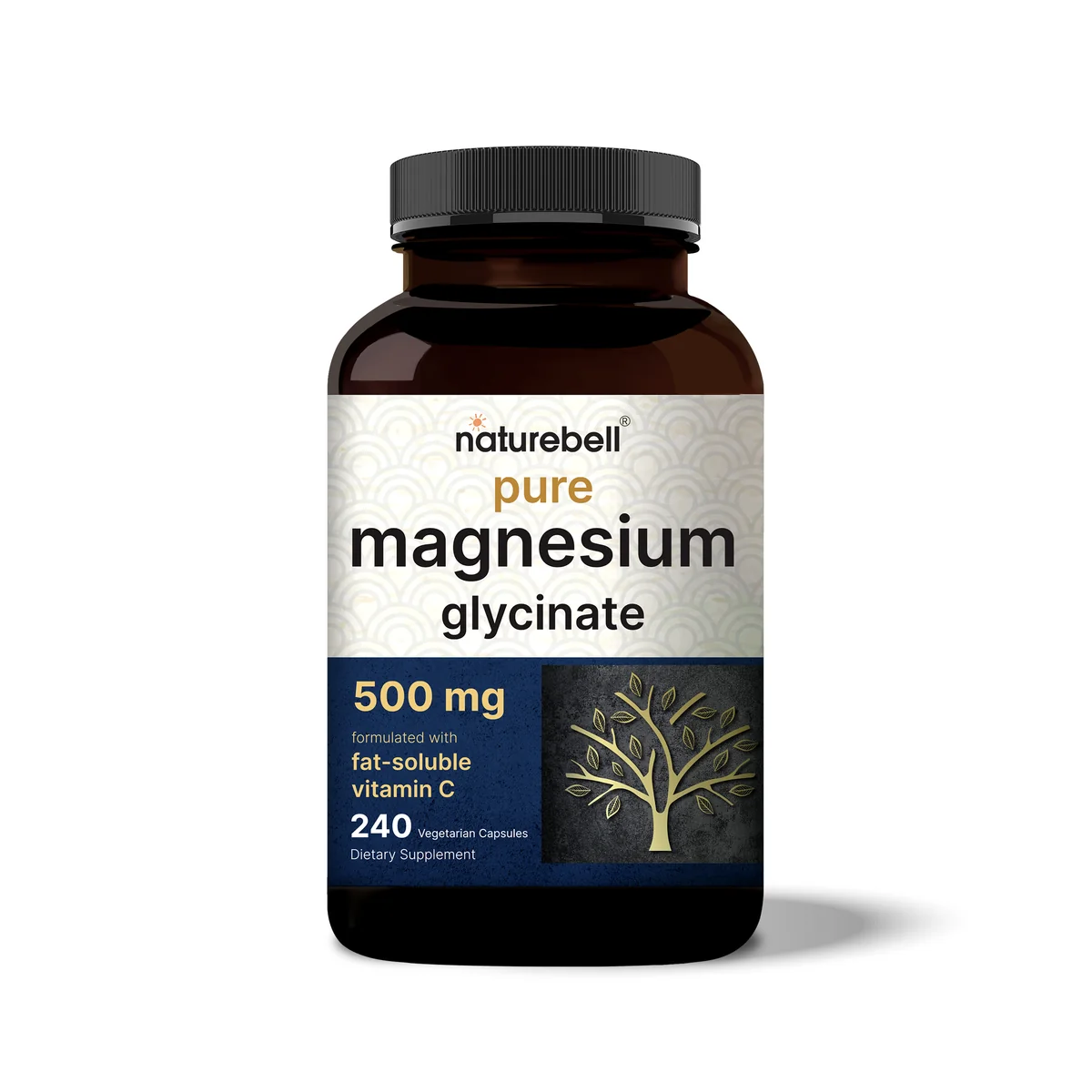
What it is
Magnesium is involved in hundreds of processes in the body, including normal muscle and nerve function and energy metabolism. Nuts, seeds, beans and whole grains are the best sources. In US surveys from 2005–06, almost half of people got less than they need from food. A supplement fills that gap; most of the extra benefits you'll read about are less certain.
Sleep
This is the main reason people buy it, and the evidence is modest. In a 2025 trial of 155 adults who slept poorly, glycinate improved self-rated sleep a little more than placebo after four weeks, with no change in daytime tiredness or stress. The capsules also held 1.5 g of glycine, which may have helped. An earlier review of three small trials in older adults found they fell asleep about 17 minutes sooner, but the trials were weak and total sleep barely changed.
Leg cramps
The best evidence says no. A 2020 Cochrane review found magnesium unlikely to help the night-time leg cramps common in older adults. Trials in pregnancy disagree with each other, and there's no reliable data for cramps during exercise.
Stress and feeling anxious
A 2017 review of 18 small studies found hints that magnesium helped how anxious people felt, but only in groups already prone to it, such as in the days before a period. The authors rated the evidence poor, and none of the studies measured stress properly.
Muscles and exercise
A 2017 analysis of 14 trials found no gain in strength or power overall. Any benefit showed up in older adults and heavy drinkers, groups more often short on magnesium, not in people who already train.
How to choose
- Glycinate (bisglycinate) for gentleness. Citrate works too, but it's a mild laxative. Skip oxide.
- Check the elemental magnesium per serving, not the weight of the whole compound.
- Skip blends that promise sleep or calm. They cost more and the extra ingredients are rarely studied together.
- Third-party tested (USP Verified or NSF).
Amounts
The sleep trials used 250–500 mg of elemental magnesium a day; the top of that range is over the upper limit below and was given under study supervision. The NIH fact sheet has daily needs by age and sex.
Watch out
- The US upper limit for magnesium from supplements is 350 mg a day for adults. More can cause diarrhoea.
- If you have kidney disease, don't take magnesium without your doctor's advice.
- Magnesium can interfere with some antibiotics and osteoporosis medicines. Ask your pharmacist how to space them.
- If you take blood pressure medicine, tell your doctor before starting: magnesium can add to its effect.
The evidence Grade B
Some human trials, but small or mixed.
Filling a gap in your diet is well supported. For sleep the trials are small and the gains modest; for night-time leg cramps, good trials found no effect.
- NIH ODS: Magnesium fact sheet
- Suboptimal magnesium status in the United States (Rosanoff et al., 2012)
- Magnesium bisglycinate in healthy adults reporting poor sleep: randomized trial (Schuster et al., 2025)
- Oral magnesium for insomnia in older adults: meta-analysis of 3 trials (Mah & Pitre, 2021)
- Magnesium for skeletal muscle cramps: Cochrane review (Garrison et al., 2020)
- Magnesium and subjective anxiety and stress: systematic review (Boyle, Lawton & Dye, 2017)
- Magnesium and muscle fitness: meta-analysis of 14 trials (Wang et al., 2017)
Last reviewed 2026-10-24.
These statements have not been evaluated by the Food and Drug Administration. This product is not intended to diagnose, treat, cure, or prevent any disease.