A green tea you whisk, not steep
Matcha powder
Stone-ground green tea
Green tea leaves ground to a fine powder, so you drink the whole leaf. Grassy, a little sweet, and it has caffeine.
Evidence C
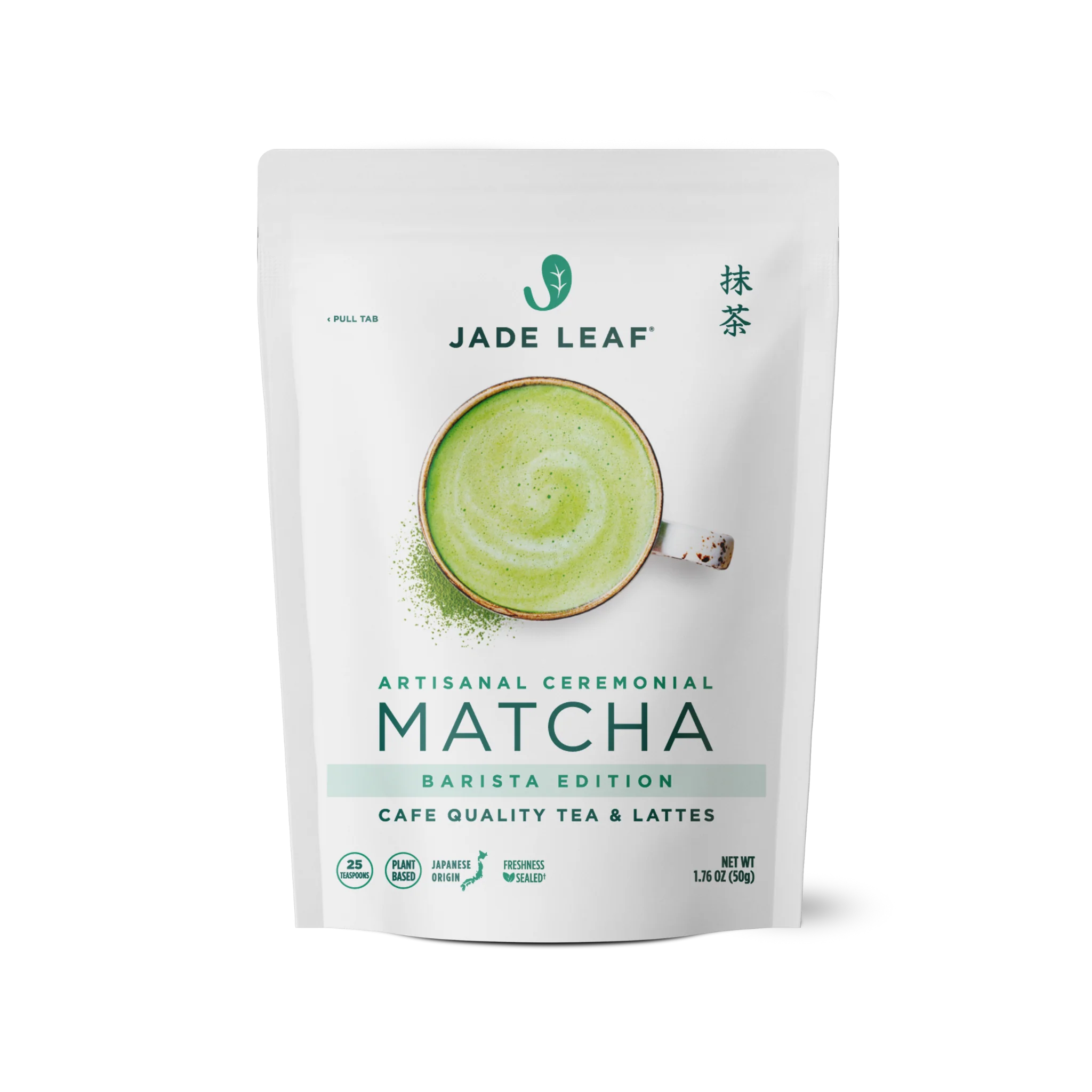
What it is
Green tea grown in the shade for the last weeks before picking, then dried and stone-ground. Instead of steeping the leaves and throwing them away, you whisk the powder into water and drink all of it.
How to choose
- Ingredients: matcha, and nothing else. Skip mixes with sugar or milk powder.
- Bright green means fresh; dull or yellowish powder is old or low grade.
- Ceremonial grade for drinking straight; culinary grade is fine in lattes and baking.
- A small tin you'll finish in a month or two: it fades once opened.
How to use it
- Sift it, add a splash of hot (not boiling) water and whisk until frothy, then top up.
- Whisk into milk for a latte.
- Stir into yoghurt, smoothies or baking.
Watch out
- Matcha contains caffeine. If you're pregnant or breastfeeding, ask your doctor about caffeine.
- Green tea in large amounts can make the beta-blocker nadolol work less well. Ask your doctor if you take it.
The evidence Grade C
Mostly mechanistic or observational. It's food, so that's fine; we just say so.
Most research is on green tea or its main compound, EGCG, not matcha itself. Lab and animal studies have looked at whether EGCG slows the growth of new blood vessels, but that hasn't been shown in people, and large reviews of studies in people have found inconsistent results for green tea. Enjoy it as a drink; we make no health claims for it.
- NIH NCCIH: Green Tea
- Review of lab and animal studies: green tea and blood-vessel growth (Rashidi et al., 2017)
- Cochrane review of studies in people: green tea and cancer risk (Filippini et al., 2020)
- PubMed: matcha studies
Last reviewed 2026-10-23.